

If you are wondering, “can I use boric acid on my period,” the answer depends on your product and treatment plan. Some vaginal suppository instructions allow use during menstruation. Other products recommend waiting until bleeding ends, especially when your flow is heavy. Direct answer: Some vaginal suppositories containing this ingredient can be used during menstruation. However, product instructions vary, and heavy bleeding may make vaginal treatment less practical. Follow your product label or clinician’s directions, use pads when advised, and never swallow a vaginal suppository.
Quick Facts About Boric Acid Use During Your Period
| Question | Short answer |
|---|---|
| Can you use a vaginal suppository during your period? | Some products allow it, but instructions differ. |
| Should you stop a prescribed treatment course? | Do not change the schedule without checking your clinician or pharmacist. |
| Are pads easier during treatment? | Often yes, because vaginal medication can leak as it dissolves. |
| Can you use a tampon? | Some manufacturers advise avoiding tampons during treatment. |
| Is it safe during pregnancy? | Current medical guidance recommends avoiding vaginal boric acid during pregnancy. |
| Can you swallow the capsule? | No. Boric acid can be poisonous when swallowed. |
| Is it a first treatment for every vaginal infection? | No. Its medical role is mainly limited to certain recurrent infections. |
Can I Use Boric Acid on My Period Safely?
Menstruation does not automatically mean every vaginal suppository must be stopped. Some manufacturers specifically state their products can be used during a period. Clinical guidance also does not establish a universal rule requiring treatment to stop during menstruation. Still, this does not mean every product should be used the same way. Formulations and treatment purposes can differ between brands. Check the package instructions before continuing or starting treatment during menstrual bleeding. Heavy flow can also make treatment messier and less convenient. A dissolving suppository may produce watery or chalky discharge alongside menstrual blood. Using the medication before bedtime may help reduce leakage for products whose instructions recommend nighttime use.
Why Product Instructions Matter During Menstruation
There is no single universal direction for every over-the-counter vaginal product. For example, some manufacturers permit their suppositories during menstruation. Other brands specifically tell customers not to use them while menstruating. That disagreement is important because online advice can sound more certain than the evidence supports. The safest approach is to follow the instructions for your exact product. A pharmacist or healthcare professional can clarify conflicting information. If a clinician recommended a specific treatment course, do not skip doses without asking. You also should not double a later dose because you missed one. Treatment schedules can depend on the condition being treated.
Should You Use Pads, Tampons, or Menstrual Cups?
A pad or panty liner is often the simplest option during vaginal treatment. It can absorb menstrual flow and medication that leaks after the suppository dissolves. Some product manufacturers specifically recommend pads instead of tampons during treatment. A tampon may absorb medication or interfere with how long it remains inside the vagina. Guidance can vary between individual products, so read the package first. Menstrual cup instructions should also be checked before combining a cup with vaginal medication. Treatment itself can produce extra watery discharge. That discharge does not necessarily mean something has gone wrong. Persistent burning, worsening irritation, unusual bleeding, or significant pain deserve medical attention.
What Is Boric Acid Used for Vaginally?
Vaginal boric acid has a limited medical role rather than being a general cleansing product. CDC STI treatment guidelines include it in certain treatment plans for recurrent or difficult vaginal infections. These include some recurrent non-albicans Candida infections and selected cases of repeatedly recurring bacterial vaginosis. For recurrent non-albicans yeast infection, CDC guidance describes a 600 mg vaginal regimen when earlier treatment has failed. The CDC also discusses it within a longer treatment sequence for some people with multiple BV recurrences. These uses do not mean everyone with itching, odor, or discharge needs it. Vaginal symptoms can have several causes that feel similar. Yeast infection, bacterial vaginosis, trichomoniasis, irritation, and other conditions can overlap. The CDC notes that symptoms and medical history alone may not reliably identify the cause. The American College of Obstetricians and Gynecologists (ACOG) also explains that vaginitis has several different causes that need different treatments.
Does Your Period Change Vaginal pH?
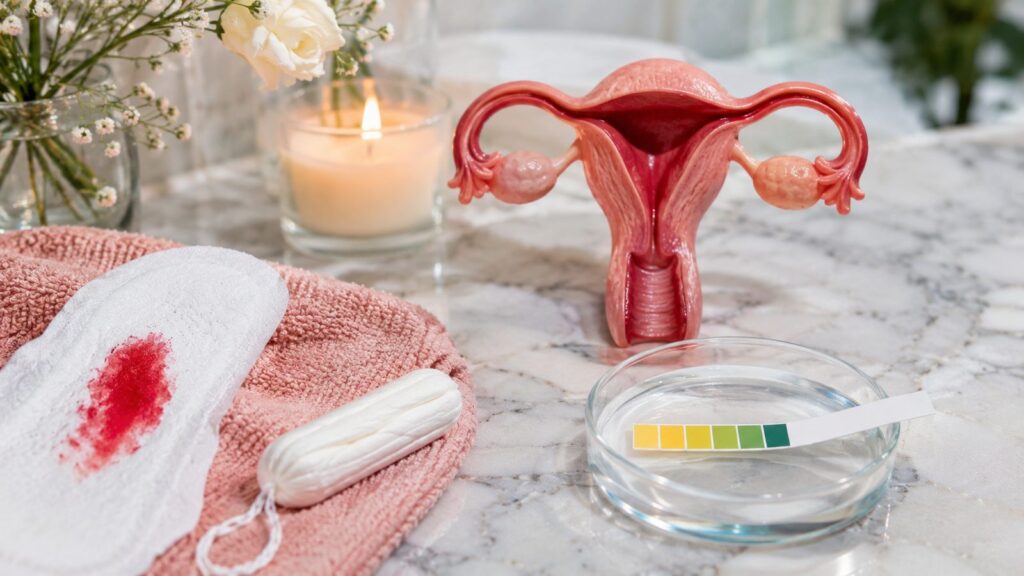
Menstrual blood can temporarily affect the vaginal environment. That temporary change does not automatically mean treatment is needed. A change in odor or discharge around menstruation can also happen without an infection. This distinction matters because suppositories are sometimes marketed as routine pH-balancing products. Medical evidence does not support treating every temporary vaginal change with medication. Persistent or troublesome symptoms deserve an accurate diagnosis instead. Trying several vaginal products at once can also make irritation harder to understand. It may become difficult to identify which product caused burning or discomfort. Avoid combining treatments unless a clinician or pharmacist confirms they can be used together.
Can Your Period Make the Suppository Less Effective?
Research has not established a simple rule that menstrual bleeding makes every dose ineffective. Still, heavier bleeding may reduce how practical vaginal treatment feels. Some clinicians advise checking before changing a prescribed schedule. Do not assume you should stop treatment as soon as bleeding begins. Do not automatically restart the entire course after your period either. Ask the clinician who recommended treatment when the schedule is unclear. The reason for treatment matters more than menstruation alone. A clinician-directed course for recurrent infection differs from casual use for odor or perceived pH changes. That difference should guide the decision.
When You Should Avoid Boric Acid Suppositories
Pregnancy is an important exception. Current guidance recommends avoiding intravaginal boric acid during pregnancy because safety data are insufficient. Pregnant patients with yeast infections should ask their healthcare professional about recommended alternatives. You should also stop and seek medical advice for severe irritation, significant pelvic pain, fever, sores, or unexplained bleeding. These symptoms may need examination rather than additional self-treatment. Persistent vaginal symptoms can also indicate a condition requiring different medication. Do not use household or pest-control boric acid inside the vagina. Only a product specifically intended for vaginal use should ever be considered. Follow the labeled dose rather than preparing your own formulation.
Never Swallow a Vaginal Boric Acid Suppository
Vaginal capsules can resemble medications that are taken by mouth. They must never be swallowed. Boric acid can cause serious poisoning when taken orally. Store suppositories separately from vitamins, supplements, and oral medications. Keep them away from children and pets. Use them vaginally only. Clear storage reduces the chance of accidental ingestion. In the United States, accidental ingestion should be treated seriously. Contact Poison Help at 1-800-222-1222 for immediate guidance. Severe symptoms or a medical emergency require emergency care.
When to Talk With a Healthcare Professional
Seek medical advice when vaginal symptoms keep returning after treatment. Repeated odor, itching, burning, or unusual discharge should not automatically be treated as yeast or BV. Testing may help identify the actual cause. You should also seek care if symptoms return soon after an over-the-counter treatment. The CDC recommends clinical evaluation when presumed yeast symptoms persist or quickly recur. Incorrect self-treatment can delay care for another condition. Consider contacting a clinician sooner if you have pelvic pain, fever, sores, or unusual bleeding. Pregnancy or possible pregnancy also changes which treatments may be appropriate. A pharmacist can answer product-specific questions when the label is unclear. Talk to a doctor or pharmacist before you start, and ask specifically about using it during your period. Vaginal boric acid is not a treatment for sexually transmitted infections, so see a clinician for testing if you may have been exposed to one. Stop use and call a clinician if burning or irritation develops. This article is general information, not personal medical advice, and it gives no dosing schedule beyond what the cited CDC guidance states. No product guarantees results.
Practical Tips If Your Product Allows Use During Your Period
Using a vaginal suppository while menstruating can require extra planning. The following steps can make treatment simpler. They do not replace the instructions supplied with your medication.
- Read the package directions before the first dose.
- Follow the recommended timing and treatment duration.
- Use a pad or liner if the instructions recommend one.
- Ask before using tampons or menstrual cups during treatment.
- Wash your hands before and after insertion.
- Expect some leakage as the suppository dissolves.
- Stop use and seek advice if significant irritation develops.
- Never take a vaginal capsule by mouth.
If your clinician gave you different instructions, follow that treatment plan. Do not shorten a prescribed course because symptoms improve early. Do not extend treatment beyond the recommended period without medical advice. For more general wellness information, readers can also explore the Readslife Health section. Health articles should support informed decisions rather than replace personalized medical care. Your clinician remains the best source for advice based on your symptoms and medical history.
Frequently Asked Questions
Can I use boric acid on my period if my flow is heavy?
Some products permit use during menstruation, but heavy flow can make vaginal treatment less convenient. Medication may leak alongside menstrual blood. Check the label or ask your pharmacist before changing a treatment schedule.
Should I stop using a suppository when my period starts?
Not automatically. Some product instructions allow continued treatment during menstruation. If a clinician prescribed the course, ask before stopping, restarting, or changing the schedule.
Can I wear a tampon after inserting a suppository?
Some manufacturers advise using a pad instead of a tampon during treatment. A tampon may absorb medication that would otherwise remain in the vagina. Follow the directions provided with your specific product.
Can I use a vaginal suppository for period odor?
Menstrual scent can change naturally during a period. Odor alone does not identify bacterial vaginosis or another infection. Strong, persistent, or unusual odor should be evaluated when it accompanies other symptoms.
Is boric acid safe for a yeast infection?
It can have a role in certain recurrent or difficult yeast infections. It is not the standard first treatment for every uncomplicated yeast infection. CDC guidance specifically discusses it for recurrent non-albicans infections after other treatment.
Can I use boric acid if I might be pregnant?
Avoid it if you are pregnant or may be pregnant unless a qualified clinician specifically addresses your situation. Current medical guidance recommends avoiding vaginal boric acid during pregnancy. Ask about pregnancy-safe treatment options instead.
The Bottom Line
If you searched “can I use boric acid on my period,” there is no universal yes-or-no rule for every vaginal product. Some manufacturers permit treatment during menstruation, while others recommend waiting. Your product directions and treatment reason should guide the decision. Using a pad may be more practical if treatment continues during bleeding. Never swallow the suppository, and avoid use during pregnancy unless properly advised. Get medical care when symptoms persist, recur, or include pain, fever, sores, or unusual bleeding. The goal should be treating the correct condition rather than repeatedly changing vaginal pH. An accurate diagnosis matters when symptoms keep returning. That approach can prevent unnecessary treatment and help you choose safer care. —