
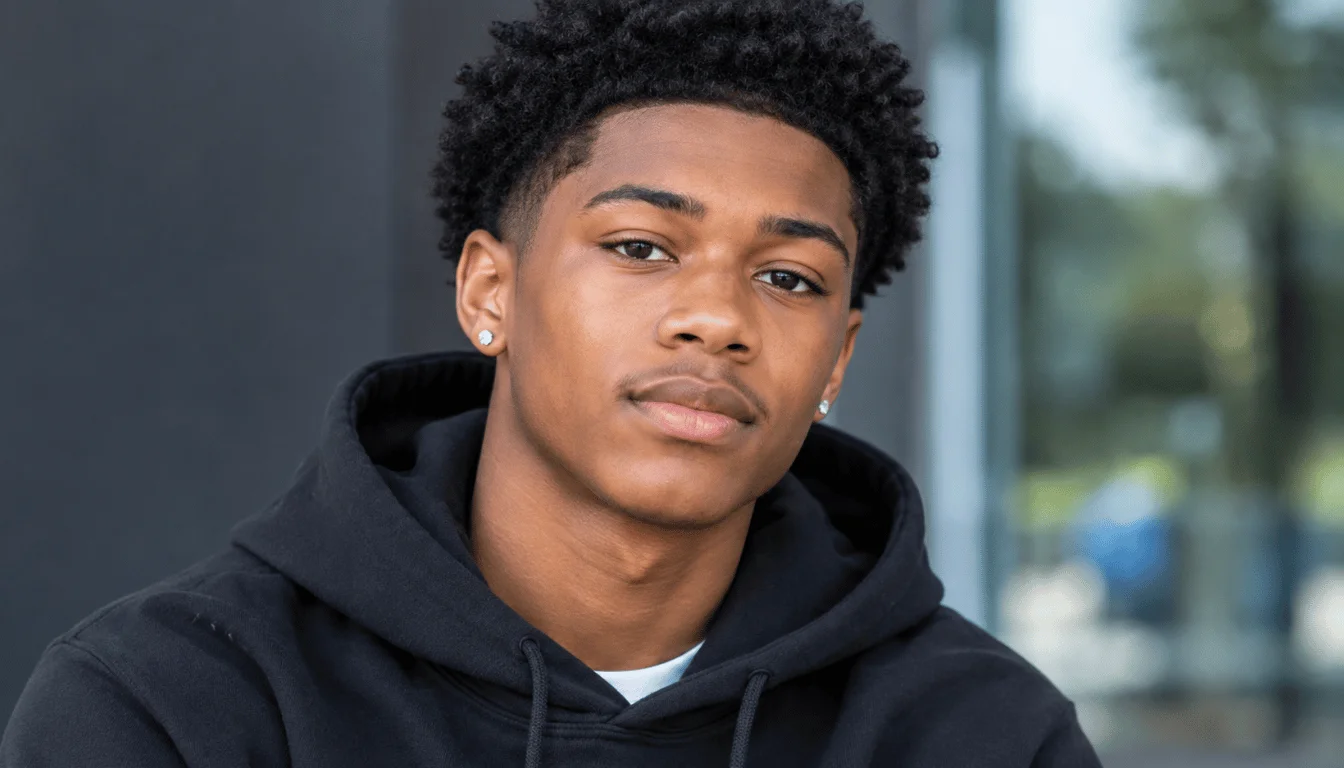
Matima Miller became known to millions of social media users under the names Swavy and Babyface. S. The Wilmington, Delaware, creator built a huge TikTok audience through dance videos, comedy, fashion, and an energetic personality. His life ended in 2021, but his story received renewed national attention during 2026.
Direct answer: Matima Miller, known online as Swavy and Babyface. He was a Wilmington, Delaware, TikTok creator famous for dance and comedy videos. He died at age 19 after being shot on July 5, 2021. His murder later resulted in a conviction, while a 2026 true-crime documentary brought renewed attention to his life and case.
Matima Miller at a Glance
| Key fact | Details |
|---|---|
| Known as | Swavy, Babyface.S |
| Occupation | TikTok creator and social media personality |
| Hometown | Wilmington, Delaware |
| Reported birth date | December 26, 2001 |
| Age at death | 19 |
| Died | July 5, 2021 |
| Main TikTok handle | @babyface.s |
| Known for | Dance videos, comedy clips, fashion, viral social content |
| TikTok following in 2021 | More than 2 million followers |
| 2026 update | Featured in Deadly Influence: The Social Media Murders |
| Murder case | Israel Lecompte was convicted of first-degree murder. |
Contemporary reports consistently identify Swavy as a 19-year-old Wilmington resident when he died. Famous Birthdays lists his birthday as December 26, 2001, and later local coverage described plans to mark his twentieth birthday in December 2021. Those records support the commonly reported 2001 birth year.
Who Was Matima Miller?
He was a young creator who turned short dance and comedy clips into a large online audience. Under the username @babyface.s, he attracted more than two million TikTok followers before his death. Contemporary reporting also described nearly 100 million likes on his videos.
His content often featured dancing, jokes, outfits, friends, and performances in everyday public places. That approach made his account feel spontaneous rather than heavily produced. Fans also followed his Instagram account, where he shared photographs and maintained another sizable audience.
The creator’s appeal was strongly connected to personality and movement. His siblings later described him as someone who understood social media unusually well. In 2026, his brother Rahkim Clark told Deadly Influence viewers that social media was almost a science to him.
How Swavy Became Popular on TikTok
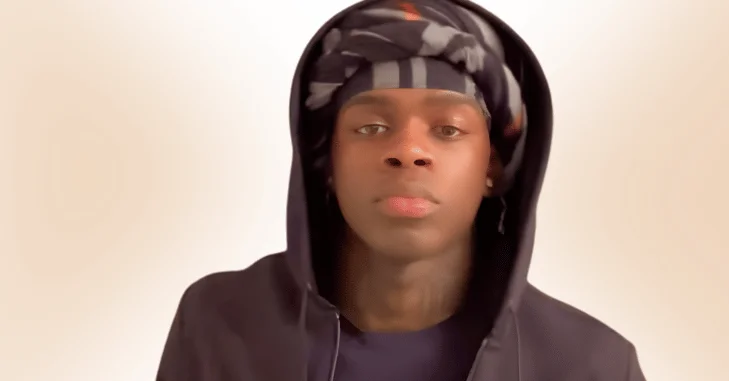
His TikTok rise happened quickly during a period when short-form dance content was becoming a major part of American youth culture. Famous Birthdays reports that he began posting on the platform in 2020. Within roughly a year, he had built an audience measured in millions.
Dance remained a major part of that growth, but his account was broader than choreography alone. Reports from 2021 described comedy skits, memes, paintball content, reactions, and fashion-oriented posts. The mix helped followers see more than one side of his personality.
That rapid growth also shows how quickly individual creators could become recognizable without traditional television or music careers. Readslife readers interested in that broader creator economy can also see how long-term online personalities built businesses in the site’s iJustine career and income profile. The two careers were different, but both illustrate how online platforms can create public figures outside older media systems.
What Happened to Matima Miller?
On the morning of July 5, 2021, the 19-year-old was shot in Wilmington, Delaware. Early police reporting placed the shooting in the 700 block of Elbert Place at about 10:42 a.m. He was taken to a hospital, where he died from his injuries.
Later court records provided a clearer account than the initial breaking-news reports. The Delaware Supreme Court stated that Miller and his roommate had returned from getting breakfast when the shooting occurred. The court described the attack as occurring at close range.
His death immediately spread across TikTok, Instagram, YouTube, and national entertainment media. Friends and fellow creators posted tributes while his family asked supporters to respect the legal investigation. The family’s official memorial fundraiser described the killing as an act of gun violence and said relatives intended to preserve his legacy.
Who Was Convicted of Killing Swavy?
Israel Lecompte was eventually convicted of Miller’s murder and numerous other crimes. Delaware authorities had charged Lecompte in November 2021 with two counts of first-degree murder, including Miller’s death. The indictment formed part of a much larger investigation into violent crimes connected with the NorthPak street gang.
A jury later found Lecompte guilty of both first-degree murders and several additional offenses. The Delaware Supreme Court records convictions involving robbery, reckless endangering, stolen property, weapons offenses, conspiracy, and gang participation. He received life sentences for the two murder convictions alongside decades of additional incarceration.
Reporting on the October 2024 sentencing stated that he received two mandatory life sentences plus another 163 years. The murder convictions covered the deaths of Swavy and clothing entrepreneur Quinton Dorsey. Lecompte was 18 when the killings occurred.
What the Delaware Supreme Court Said About the Case
The legal record continued after the murder trial ended. Lecompte appealed his convictions, including the sufficiency of the evidence involving Miller’s death. Delaware’s Supreme Court considered those claims in a September 2025 order.
The court identified several pieces of evidence supporting the murder conviction. These included an eyewitness identification, surveillance footage involving a vehicle, fingerprint evidence, and testimony about later admissions. The justices concluded that the evidence was sufficient for a rational jury to find him guilty.
The state’s highest court ultimately affirmed the Superior Court judgment. That decision matters because many older biography pages still describe the killing as an open investigation. Those pages have not necessarily been updated to reflect the conviction and completed direct appeal.
Why His Story Returned to Attention in 2026
Five years after the shooting, the case became the focus of new true-crime television coverage. Season two of Deadly Influence: The Social Media Murders included an episode titled “It Could Be You Tomorrow.” The episode aired in June 2026 and examined Swavy alongside Quinton Dorsey.
The program included accounts from people who knew him and revisited his rapid path to internet fame. Recent people reporting tied to the episode described more than 2.3 million TikTok followers and highlighted memories from his siblings. It also placed his story within the later criminal investigation and conviction.
This newer coverage gives U.S. readers a clearer picture than many articles published immediately after the shooting. Early reports could only describe an active investigation because no defendant had yet been convicted. The 2026 reporting can now connect his online career, the murder investigation, the trial, sentencing, and subsequent appeal.
His Family and the Legacy Left Behind
His family continued talking about him after his death rather than allowing the public story to end with the crime. Brother Rahkim Clark appeared in later coverage discussing his personality and talent. Sister Qua’Naijha Clark also participated in the 2026 documentary coverage.
Relatives established fundraising efforts after the killing, including an official memorial fundraiser. Later reporting described plans for the Swavy’s Shining Youth Scholarship Foundation around what would have been his twentieth birthday. The project was intended to connect his name with opportunities for other young people.
His story therefore extends beyond follower numbers or a criminal case. It also reflects a family trying to preserve the memory of a young relative whose life became public online. Readslife’s Felicia Pearson profile offers another example of how personal experiences can shape public stories connected with American entertainment culture.
What Is Not Reliably Verified About Swavy?
Several biography sites publish specific claims about his height, net worth, education, relationships, or private family details. Most of those claims lack primary records or reliable contemporary reporting. Repeating them as settled facts would give readers more certainty than the available evidence supports.
His precise net worth is a good example. A large TikTok following does not reveal someone’s income, assets, sponsorship contracts, taxes, or expenses. No authoritative financial disclosure reviewed for this profile establishes a reliable personal net-worth figure.
Height claims present the same problem because different biography sites repeat measurements without identifying a credible source. Information about schooling and romantic relationships is also limited in major reporting. It is safer to distinguish documented information from details copied between celebrity biography sites.
That source-first approach is also useful across entertainment coverage. Readslife applies similar caution when discussing unverifiable private financial estimates in its Sabrina Carpenter net worth coverage. Public visibility does not automatically make private financial information verifiable.
Why Swavy Is Still Remembered
His online career lasted only a short period, but it reached millions of people. Videos built around dance, humor, style, and friendships made him recognizable far beyond Delaware. The size of that audience explains why news of his death spread nationally within hours.
The later court case also changed how the story can now be told. Readers no longer have to rely entirely on speculation surrounding an unsolved shooting. Public court records provide documented findings about the person convicted and the evidence considered at trial and on appeal.
The 2026 documentary renewed interest for another generation of viewers. It also gave his relatives another opportunity to describe the person behind the username. For readers discovering Swavy years later, those voices add important context to the viral clips and crime headlines.
Frequently Asked Questions About Matima Miller
What happened to Matima Miller?
He was shot in Wilmington, Delaware, on July 5, 2021, and later died at a hospital. He was 19 years old when he was killed. Israel Lecompte was later convicted of first-degree murder in connection with his death.
What was Swavy’s real name?
Swavy’s real name was Matima Miller. He was also widely known online as Babyface.S and used the TikTok handle @babyface.s. Contemporary news organizations consistently identified those names after his death.
How old was Swavy when he died?
He was 19 years old when he died on July 5, 2021. Entertainment databases commonly list December 26, 2001, as his birth date. Reporting later that year also described preparations to mark what would have been his twentieth birthday.
How many TikTok followers did Swavy have?
Reports from the time of his death generally placed his following between about 2.3 million and 2.5 million. His account continued attracting followers afterward, so later articles sometimes show higher totals. The figures therefore differ depending on when each source recorded the account.
Who killed Swavy?
A Delaware jury convicted Israel Lecompte of first-degree murder for the killing. He was also convicted in the murder of Quinton Dorsey and on numerous other charges. Delaware’s Supreme Court affirmed the judgment in September 2025.
Is there a documentary about Swavy?
Yes. His story appears in the 2026 second season of Deadly Influence: The Social Media Murders. The episode “It Could Be You Tomorrow” examines his story and that of Quinton Dorsey.
The Lasting Picture
Swavy’s public story began with short videos that showed dancing, humor, clothing, and time with friends. It later became inseparable from a violent crime, a lengthy prosecution, and his family’s efforts to preserve his memory. The fuller record available today helps keep those parts of his life in proper proportion.
For readers who first encounter his name through old TikTok clips or the 2026 documentary, the basic facts are now much clearer. He was a young Delaware creator who reached millions before his life ended at 19. His influence continues through archived content, family remembrance, scholarship efforts, and renewed public interest in his story.