
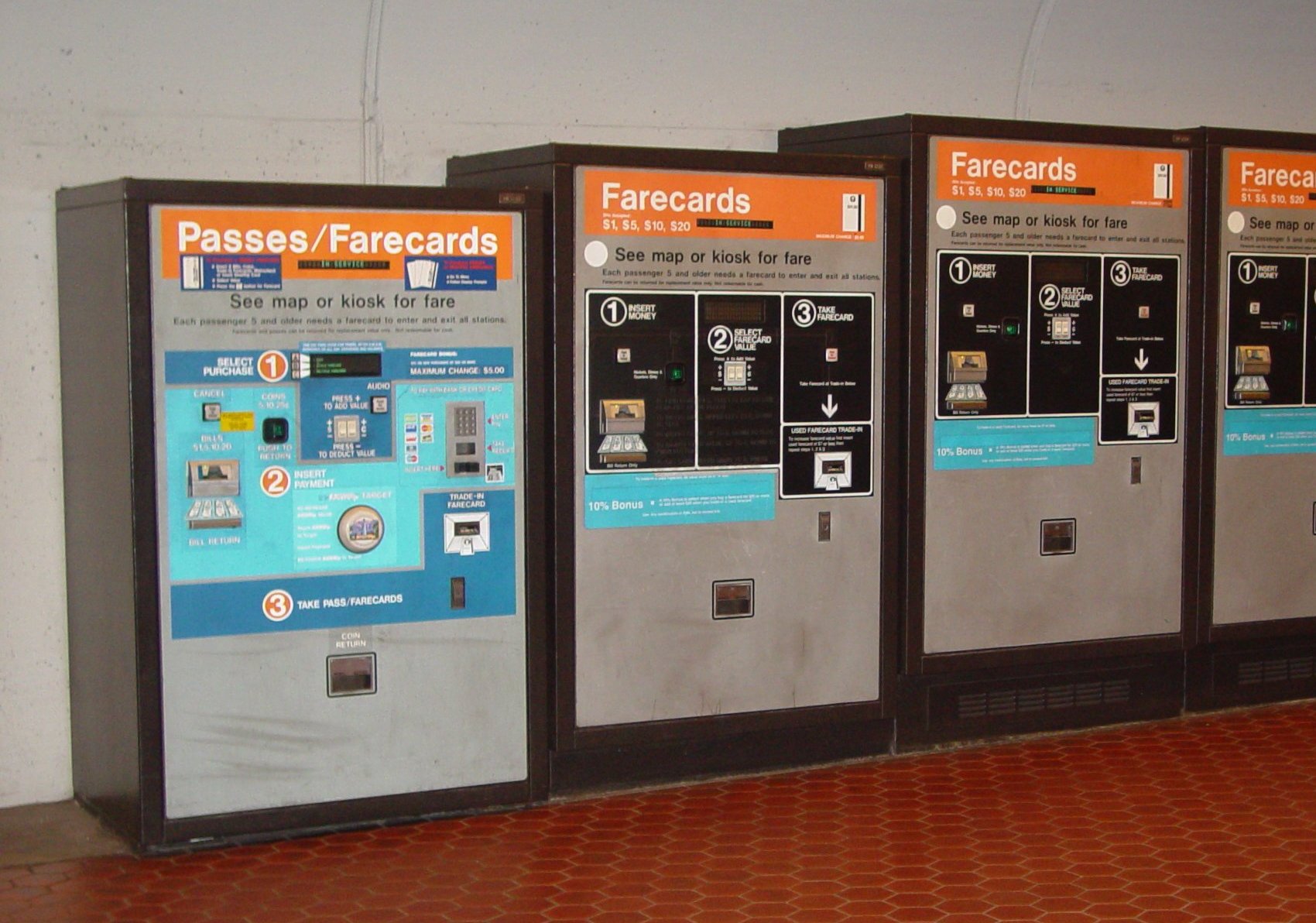
A vending machine contract is a written agreement between a vending operator and a location owner, such as an office, school, gym, hospital, apartment complex or retailer, that sets out who supplies the machine, who stocks and services it, how sales are shared and how long the deal lasts. Operators usually win these contracts by targeting sites with a captive audience, pitching a no-cost, full-service offer to the decision maker and then signing a placement agreement covering commission, service standards, term and termination.
This guide breaks down the main contract types, the clauses worth negotiating on both sides, a step-by-step process for landing locations, and a simple way to check whether a site will actually make money before you sign.
What a Vending Machine Contract Actually Covers
At its simplest, a vending contract answers five questions: whose machine it is, where it sits, who fills and maintains it, what the host gets in return, and how either side can walk away. Everything else, including product mix, pricing, insurance, electricity and access hours, hangs off those five points. A clear contract protects the operator’s investment in equipment and protects the host from a dirty, empty or broken machine sitting in their lobby.
Contracts range from a one-page letter of agreement for a single snack machine in a small office to multi-year, competitively bid agreements covering dozens of machines across a school district or hospital system. The bigger the account, the more formal the paperwork, and the more likely it is that the host, not the operator, will set the terms.
The Main Types of Vending Machine Contracts
Not every deal looks the same. The right structure depends on who owns the equipment and how money flows between the parties.
| Contract type | Who owns the machine | How the host benefits | Typical fit |
|---|---|---|---|
| Full-service placement (commission) | Operator | Percentage of sales, paid monthly or quarterly | Offices, gyms, apartment buildings, auto shops |
| Full-service, no commission | Operator | Free amenity for staff or customers | Small sites with modest sales |
| Flat-fee placement | Operator | Fixed monthly rent for the floor space | High-traffic retail, malls, transit |
| Subsidized or micro-market service | Operator | Employer subsidizes prices as a staff perk | Larger workplaces, warehouses |
| Equipment purchase plus service | Host | Keeps all revenue, pays for servicing | Schools, municipalities, universities |
| Cooperative or bid contract | Varies | Pre-negotiated pricing and service terms | Public bodies and education |
Commission vs. Flat Fee: Which Is Better?
For operators, commission deals share the risk: if sales are slow, you pay less. Flat fees are predictable for the host but can sink an operator at a site that underperforms, so they suit locations with proven, heavy traffic. For hosts, a commission feels fairer at small sites, while a flat fee means no need to audit sales reports. A sensible compromise at uncertain sites is a low commission for a trial period that steps up once sales pass an agreed threshold.
Public-Sector Contracts and Purchasing Cooperatives
Public organizations usually cannot simply sign with the first operator who walks in. Schools, colleges, counties and municipalities often buy through competitively awarded contracts, either by running their own request for proposals or by using purchasing cooperatives such as Choice Partners, which let members buy equipment, parts, repair and service under terms that have already been through a bidding process. If you want to sell into the public sector, registering as a vendor with cooperatives and watching for bid notices is part of the job. Expect detailed requirements on insurance, product nutrition standards, background checks for staff entering school buildings and reporting.
Key Clauses in a Vending Machine Placement Agreement
Whether you are the operator drafting the agreement or the host reviewing it, check that it covers the following:
- Parties: full legal names and addresses of the operator and the location owner, plus who signs for each side and their authority to do so.
- Location and equipment: the business name, the exact spot for each machine (a simple floor sketch helps), machine types and serial numbers, and whether the operator may add or swap machines.
- Exclusivity: whether the operator is the only vendor allowed on the premises. Operators want this; hosts should limit it to specific product categories or areas.
- Service standards: restocking frequency, response time for breakdowns and refunds, cleaning, and who handles customer complaints.
- Pricing and product mix: who sets prices, whether healthier options are required, and how price changes are communicated.
- Commission or fees: the percentage or flat amount, whether it is calculated on gross or net sales, how sales are reported (telemetry reports are increasingly common) and the payment schedule.
- Utilities and access: who pays for electricity, what hours the operator can enter, and any security or sign-in procedures.
- Insurance and liability: general liability coverage held by the operator, responsibility for damage to the machine or the premises, and indemnity wording.
- Term, renewal and termination: start date, length, automatic renewal, notice period and what happens to the equipment when the agreement ends.
- Signatures and dates from both parties.
Automatic renewal and long notice periods are the clauses most likely to cause friction later. A host who signs a five-year auto-renewing agreement with a 90-day notice window may find it hard to switch operators even if service slips. Operators, meanwhile, need enough term to recover the cost of placing equipment, so a one-year minimum with rolling renewals and a 30 to 60 day exit for poor service is a common middle ground.
Red Flags to Watch For
| Clause | Red flag | Fairer alternative |
|---|---|---|
| Term | Five years or more with automatic renewal and no performance exit | One to three years, rolling renewal, exit for documented poor service |
| Commission basis | “Net sales” with no definition of what is deducted | Gross sales, or a clear list of permitted deductions |
| Sales reporting | No reporting obligation at all | Monthly statements, ideally from telemetry data |
| Exclusivity | Operator controls all food and drink on site | Exclusivity limited to vending machines in named areas |
| Equipment removal | Host must pay to remove machines at the end | Operator removes equipment at its own cost within a set number of days |
How to Get Vending Machine Contracts: Step by Step
1. Get Your Business Basics in Place
Decision makers want to deal with a real business. Register your company, obtain any required seller’s permit and local licenses, and arrange general liability insurance before you pitch. Requirements vary by state and city, and some areas also require a health permit for food vending; our guide on how to get a business license in the U.S. walks through the typical steps. Have a simple placement agreement template ready so you can move quickly once someone says yes.
2. Choose the Right Locations to Target
Foot traffic alone is not enough. The best sites have a captive audience with few alternatives nearby: workplaces with shift workers, warehouses and factories, hospitals and clinics, auto repair waiting rooms, laundromats, apartment complexes and gyms. As a rough screen, count how many people are on site during a typical day, how long they stay and how far the nearest convenience store or cafeteria is. A 20-person office next to a coffee shop is usually a weaker prospect than a 60-person warehouse on an industrial estate.
3. Find the Decision Maker
In small businesses this is the owner or office manager. In larger organizations it may be facilities management, HR (when vending is treated as an employee benefit) or procurement. In malls and multi-tenant buildings, the property manager controls common areas. Calling ahead to ask who handles break-room amenities saves wasted visits.
4. Pitch the Host’s Benefits, Not Your Machine
Make the decision easy. Emphasize that the host pays nothing for equipment or stock, that you handle restocking, cleaning and repairs, that the machines take cards and mobile wallets, and that you will tailor the product mix, including healthier or local options, to what staff or visitors want. Bring a one-page proposal, photos of the machine you plan to install and references from existing locations if you have them. A common mistake is opening with commission percentages; for most small hosts, convenience and zero hassle matter more than a few dollars a month.
5. Put It in Writing and Deliver on Service
Once the host agrees, send a placement agreement covering the clauses above, sign it before installation and keep a copy. Then treat the first 90 days as a probation period: restock reliably, respond quickly to refund requests and ask the host for feedback on products. Retention is cheaper than prospecting, and satisfied hosts are your best source of referrals.
6. Use Locators and Bids Carefully
Paid “vending locators” promise to find sites for a fee. Some deliver genuine placements, but the industry has a history of complaints about locations that were never properly vetted. If you use one, ask for references, confirm the host has actually signed and get any guarantee, such as a free relocation if a site underperforms, in writing. For public-sector work, bid documents spell out exactly what the buyer wants, so read them closely and answer every requirement.
Getting a Vending Machine Into a Mall or Retail Center
Malls and shopping centers behave differently from offices. Space is leased, so the property manager usually expects a flat monthly fee or a higher commission than an office would, and may restrict machines to specific zones. Before approaching them, observe traffic at your preferred spot at different times of day, estimate your monthly costs (stock, fees, card processing, servicing) and work out the sales needed to break even. Present the manager with a clear proposal showing who will service the machine, how often and how complaints will be handled.
Ice Vending Machines and Other Specialty Contracts
Standalone ice vending kiosks, typically placed in the parking lots of gas stations, grocery stores and marinas, use a ground-lease style agreement rather than a break-room placement. These are large, heavy units that need a concrete pad, a dedicated water supply with filtration, drainage and substantial electrical capacity, so the contract has to cover site preparation, utility connections, permits and who pays for water and power. Terms tend to be longer because the upfront investment is much higher than for a snack machine. The right unit size depends on local demand, available space and budget, which is why manufacturers generally offer several capacities.
How Much Can a Vending Contract Earn?
Earnings vary enormously by location, product and pricing, so treat any single “average profit” figure with caution. A better approach is to build your own estimate for each site:
- Estimated weekly sales: daily users multiplied by the share likely to buy, multiplied by the average ticket.
- Cost of goods: what you pay for the products, often around a third to half of the selling price for snacks and drinks.
- Location commission or rent: commissions of roughly 5 to 25 percent of sales are common, with higher rates at premium sites.
- Operating costs: card processing fees, telemetry subscriptions, fuel and time for route visits, repairs and insurance.
A Worked Example (Hypothetical Numbers)
Imagine a warehouse where you expect weekly sales of $300. If products cost you 45 percent of the selling price, gross margin is $165. A 10 percent commission takes $30, leaving $135. Subtract, say, $25 a week for card fees, telemetry and fuel, and the site nets about $110 a week before your time and equipment costs. Now rerun the same numbers at $120 a week in sales: margin falls to $66, commission to $12, and after the same $25 in costs you clear only $29. That is why a commission rate that looks harmless can wipe out the margin at a low-volume site. Use your own supplier prices and local costs; these figures are only an illustration of the method.
Many single machines in modest locations earn a small monthly profit, while strong sites with a captive audience can do considerably better. Run the numbers conservatively before agreeing to a commission rate.
Can Vending Contracts Create Passive Income?
Vending is often described as passive, but it is better thought of as low-touch once it is set up well. To reduce the hands-on work:
- Buy reliable machines from established manufacturers and keep spare parts for the most common failures.
- Install card readers and mobile wallet payment, which reduces coin jams and cash collection.
- Use remote telemetry software to see sales, stock levels and faults from your phone, so you only visit when a restock is needed.
- Cluster locations geographically to cut driving time.
- Consider hiring a route driver or outsourcing servicing once you have enough machines to justify it, and use telemetry data to reconcile cash and product.
Telemetry also matters for contract compliance: accurate sales reports make commission payments transparent and give you evidence if a host ever questions what they are owed. If a dispute over a contract does escalate, our overview of what happens when you are sued in the U.S. explains the basic process.
Bottom Line on Vending Machine Contracts
The best vending machine contracts are simple, written down and fair to both sides: a defined term, a realistic commission based on clearly reported sales, firm service standards and an exit if either party fails to deliver. Pick sites with a captive audience, run the numbers before you agree to a percentage, and keep service tight in the first few months. That is how one placement turns into a route.
Frequently Asked Questions
What is a vending machine contract?
It is a written agreement between a vending operator and a location owner that sets out where machines are placed, who stocks and services them, how revenue is shared and how long the arrangement lasts.
How long do vending machine contracts usually last?
Small placements often run for one to three years with automatic renewal, while large institutional or bid contracts can run longer. Always check the notice period needed to end the agreement before you sign.
What commission do locations usually get?
It depends on sales volume. Low-volume sites may receive no commission, while busier sites commonly negotiate around 5 to 25 percent of sales, or a flat monthly fee in retail spaces.
Do I need a license to operate vending machines?
Usually, yes. Most operators need a business registration and a sales tax permit, and some states or cities require additional vending or food permits. Check with your state and local authorities.
How do schools and public bodies buy vending services?
They typically use competitive bids or purchasing cooperatives, which pre-negotiate pricing and service terms so members can contract without running a full procurement process themselves.
Can a host cancel a vending contract early?
Only on the terms in the agreement. Look for a termination clause that allows exit for documented poor service with 30 to 60 days’ notice; without one, the host may be bound until the term or renewal date ends.
This article is general information, not legal or financial advice. Have a qualified attorney review any contract before you sign it.