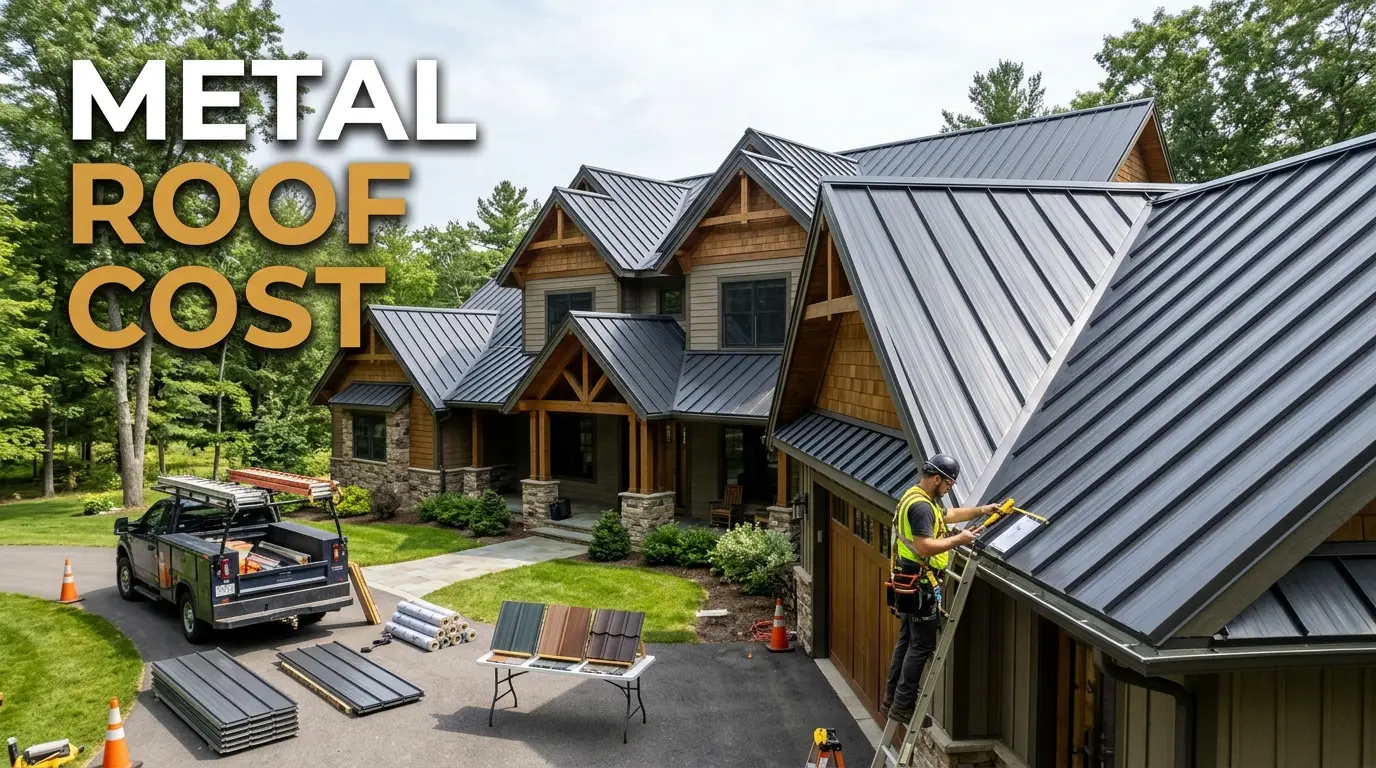
Replacing a roof with metal is a major home investment. Metal roof cost in the United States can range from roughly $5 to $30 per square foot installed. Your final bill depends heavily on the material, panel system, roof shape, location, and labor requirements. A modest steel panel project may stay near the lower end. Standing seam, aluminum, zinc, or copper can push the price much higher. Understanding each cost component makes contractor quotes much easier to compare.
Quick answer: Installed metal roofing commonly runs about $5 to $16 per square foot for many residential projects. Premium systems can reach $30 per square foot. A 2,000-square-foot roof could therefore cost roughly $10,000 to $32,000 before unusual repairs or premium upgrades.
Metal Roofing Cost at a Glance
| Cost factor | Typical U.S. range | What affects it |
|---|---|---|
| Installed metal roofing | About $5–$16 per sq. ft. for many systems | Material, region, installer, roof complexity |
| Broad market range | About $4–$30 per sq. ft. | Basic panels through premium metals |
| Steel | About $6–$16 per sq. ft. | Gauge, coating, panel style |
| Aluminum | About $4–$12 per sq. ft. | Finish, location, panel system |
| Copper | About $15–$30 per sq. ft. | Metal prices and specialized labor |
| Standing seam | About $7–$30 per sq. ft. | Hidden fasteners, gauge, roof geometry |
| Tear-off | Roughly $1,000–$5,000 | Existing layers and disposal |
| Roof decking repair | Roughly $2–$5 per sq. ft. | Rot, moisture damage, replacement area |
| Permit | Often around $250–$500 | Local government requirements |
These figures are planning ranges, not contractor bids. Angi reports a 2026 national average near $11,766 across thousands of reported projects. Other pricing sources publish higher averages because roof sizes and project assumptions differ.
Key Takeaways
* Roof surface area matters more than your home’s interior square footage. * Steel usually offers a lower entry price than copper or zinc. * Standing seam usually costs more than exposed-fastener panels. * Tear-off, decking repairs, permits, and underlayment can raise the total. * Complex roofs require more cutting, flashing, material, and labor. * Comparing itemized contractor estimates is more useful than comparing headline totals.
What Drives Metal Roof Cost in 2026?
Several variables determine whether your project lands near $10,000 or several times higher. Material choice receives most attention, but installation difficulty can change the budget significantly. Two similar homes can receive noticeably different estimates. Roof size is the first major variable. Roofing contractors normally measure surface area in squares, with one square equaling 100 square feet. A 2,000-square-foot house can have more than 2,000 square feet of roofing because of pitch and overhangs.
Design also affects labor. Valleys, dormers, skylights, chimneys, hips, and steep slopes require additional cutting and flashing. Angi estimates complex roof designs can add around 15% to 25% compared with simpler configurations. Location creates another large difference. Labor costs, permitting fees, contractor availability, and local building requirements vary across the country. Major metropolitan areas may also carry higher labor rates than nearby rural markets.
Cost by Roofing Material
The material you choose affects both the purchase price and installation requirements. Common choices include steel, aluminum, copper, zinc, and specialty coated systems. Each option balances price, appearance, corrosion resistance, weight, and maintenance differently.
Steel Roofing
Steel is one of the most common residential choices. Installed steel pricing typically ranges from $6 to $16 per square foot. Current 2026 data places many complete steel projects between roughly $16,000 and $28,000.
Galvanized and Galvalume products often provide a practical price-to-durability balance. Panel profile and gauge can still change the estimate substantially. Concealed-fastener systems generally cost more in labor and materials.
Aluminum Roofing
Aluminum works particularly well where corrosion is a concern. Current published ranges place many installed projects around $4 to $12 per square foot. The material is lightweight and naturally resists rust.
It can cost more than basic steel, depending on the panel and finish. Homeowners near saltwater may consider that premium worthwhile.
Copper and Premium Metals
Copper sits at the premium end of residential roofing. Current national guides commonly place installed copper around $15 to $30 per square foot. Zinc and specialty architectural metals can also carry high purchase and installation costs. These systems usually require installers with specific experience.
Their price makes them more common on high-end homes and architectural projects. If you are comparing exterior metal finishes, Readslife also explains materials in its guide to metal wall panels. The wall application differs, but the material comparison provides useful context. Steel, aluminum, zinc, and copper have similar practical tradeoffs in both applications.
Standing Seam vs. Exposed-Fastener Panels
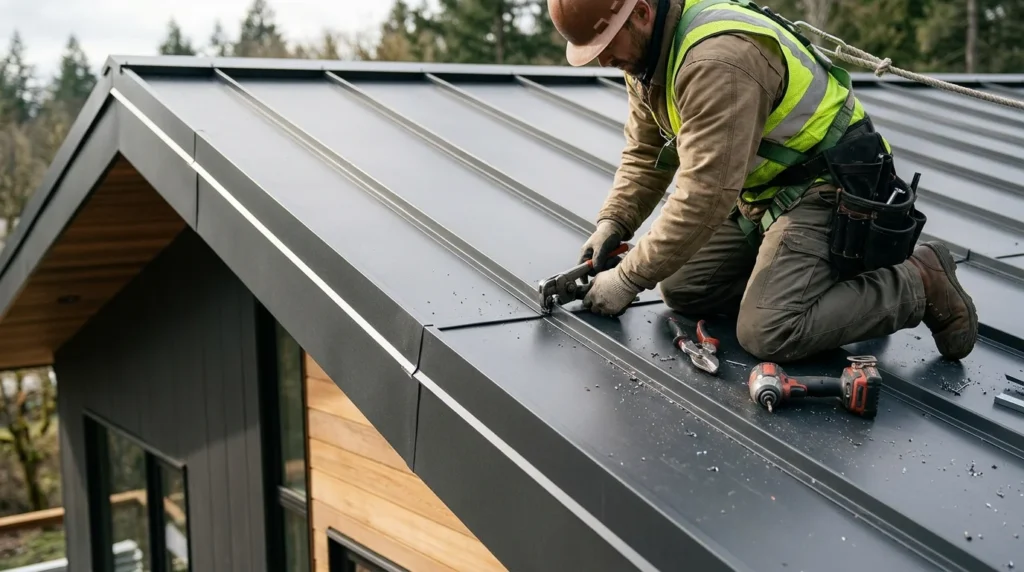
Panel style can matter nearly as much as the metal itself. Exposed-fastener panels place screws through the face of each panel. Standing seam systems generally conceal their fasteners beneath raised seams. Exposed-fastener systems are commonly cheaper to install. Current national pricing data places many such projects near the lower end of residential metal pricing.
They can require closer attention to fasteners and washers as the roof ages. Standing seam usually costs more because the system is more specialized. Published 2026 ranges vary widely, with many sources placing it around $7 to $30 per square foot. Roof complexity, metal type, gauge, and local labor explain much of that spread.
What Would a 2,000-Square-Foot Roof Cost?
A simple estimate starts by multiplying roof surface area by the installed rate. At $6 per square foot, 2,000 square feet would equal about $12,000. At $16 per square foot, the same area would equal about $32,000. That calculation helps with early budgeting, but it isn’t a final estimate. Pitch can make the actual roof surface larger than the home’s footprint. Valleys, waste, flashing, removal, repairs, and permits also change the final contract. For example, imagine two owners each have about 2,000 square feet of roof surface.
One chooses basic steel panels on a simple gable roof. The other chooses standing seam on a steep roof with dormers and several valleys. Their roof areas are identical, but their invoices could differ by thousands of dollars. This example shows why price-per-square-foot figures need context. Ask contractors to list roof area, materials, labor, removal, flashing, and repairs separately.
Hidden Costs to Include in Your Budget
The panel price is only one part of a replacement project. Removing the existing covering can add roughly $1,000 to $5,000. Disposal charges can rise when the project involves several existing roofing layers. Damaged roof decking can add another expense. Current cost guides commonly place decking repairs around $2 to $5 per square foot. Extensive water damage can quickly change the project budget. Underlayment, flashing, ridge components, ventilation, and fasteners must also appear somewhere in the estimate.
Local permits may add several hundred dollars. Snow-retention systems can create another expense in climates where sliding snow presents a hazard. Large home projects often overlap. If you are budgeting several improvements, compare those numbers with Readslife’s whole-house generator installation cost guide. Planning several capital projects together can prevent one upgrade from consuming funds reserved for another.
Labor Can Be a Major Part of the Price
Metal installation requires different skills than standard asphalt roofing. Accurate panel measurements and careful flashing matter because mistakes can create expensive leaks. Standing seam installations can require specialized tools and experienced crews. Angi estimates labor can represent around 60% of some complete projects.
Steel-specific estimates place labor around 40% to 60% of the project total. Your percentage will depend on material prices, roof difficulty, and local wages. A lower bid isn’t automatically the better deal. Ask whether tear-off, underlayment, trim, flashing, permits, cleanup, and workmanship coverage are included. Comparing the same scope across several proposals produces a more useful result.
Can a New Roof Lower Energy Costs?
Roof color and surface properties can influence heat absorption. The U.S. Department of Energy has documented how reflective roof products can reduce roof temperatures. Actual household savings depend on climate, insulation, ventilation, roof design, and building conditions. Painted metal products can be manufactured with reflective coatings.
That does not mean every product delivers the same energy performance. If summer heat matters to your decision, ask for the product’s tested reflectance data. Cooling upgrades can also affect a home’s energy use. Readslife’s high-velocity air-conditioning guide explains another option homeowners may evaluate during renovations. Roofing and HVAC decisions should still be priced separately.
Are There Federal Tax Credits for Metal Roofing in 2026?
Homeowners should not assume a new roof earns a federal energy tax credit. The IRS states that Energy Efficient Home Improvement Credits ended for property placed in service after December 31, 2025. Residential Clean Energy Credits also ended for expenditures after that date. Traditional roofing materials were also generally excluded from the former Residential Clean Energy Credit.
The IRS specifically explained that ordinary roofing materials primarily perform a roofing or structural function. State, local, utility, or insurance programs can follow different rules. Check current programs in your area before relying on any incentive. Never subtract an expected rebate from your budget until eligibility is confirmed.
Metal Roofing vs. Asphalt Shingles
Metal usually requires more money upfront than asphalt shingles. Angi’s 2026 comparison places the average asphalt project near $10,500. Its comparable metal estimate is around $22,000, although both categories have wide ranges. The cheaper initial choice is not automatically the cheapest long-term choice.
Material lifespan, maintenance, repair frequency, insurance, and replacement timing can affect lifetime spending. Those factors differ by product and climate. Homeowners planning to move soon may value upfront savings more heavily. Long-term owners may place greater weight on durability and reduced replacement frequency. Your expected ownership period should therefore factor into the decision.
How to Compare Contractor Quotes
Request at least three itemized proposals from qualified local roofers. Each contractor should measure the roof rather than relying only on interior square footage. Ask each company to quote the same material and panel specification. The estimate should identify panel type, metal, gauge, coating, underlayment, flashing, and fastening system.
It should also list tear-off, disposal, permits, decking allowances, cleanup, and warranties. Clear details make price differences easier to understand. Check licensing and insurance requirements in your state or municipality. Ask who performs the work and who handles unexpected decking damage. A contractor should explain change-order pricing before construction begins.
Is Metal Roofing Worth the Higher Price?
The answer depends on your budget and ownership plans. Buyers seeking the lowest upfront replacement price may prefer asphalt shingles. Owners prioritizing durability or a specific architectural appearance may accept the higher investment. Climate also matters. Coastal exposure, heavy snow, wildfire risk, hail, and heat can affect product selection.
Your contractor should recommend a system designed for local conditions. Avoid making the decision based on a national average. Measure your roof, choose a specific panel system, and gather several comparable estimates. That process gives you a far more reliable number.
Frequently Asked Questions
What is the average metal roof cost in the United States?
Current estimates vary because sources use different roof sizes and project assumptions. Angi reports a 2026 national average around $11,766. HomeGuide reports an average around $23,800 using a broader project range.
Neither figure should replace a local estimate. Your roof’s area, pitch, material, and complexity can move the price substantially. Use national averages mainly to check whether a contractor’s proposal appears reasonable.
How much is metal roofing per square foot?
Many residential installations fall around $5 to $16 per square foot. Broader published ranges extend from roughly $4 to $30. Premium metals and complex standing-seam projects often sit at the higher end.
Material alone is cheaper than a finished installation. Make sure any advertised price states whether labor and accessories are included. Quotes that exclude trim or tear-off can appear misleadingly low.
Is a $30,000 quote unreasonable?
Not necessarily. A large, steep, or complex roof can reach that level with standard materials. Premium standing seam, aluminum, zinc, or copper can push totals higher.
Judge the estimate by roof area and scope instead of the headline total. Compare price per square foot and included work. Two more itemized proposals can show whether the price matches your local market.
Does installing over existing shingles save money?
An overlay can reduce tear-off costs when roof condition and local code allow it. It is not suitable for every house. Existing damage can make removal necessary before the new system is installed.
Ask the contractor to inspect the decking and existing layers first. Confirm local building rules before choosing an overlay. Saving money upfront isn’t worth it if hidden deterioration remains underneath.
How can I reduce the total price?
Choose a simpler steel system if it meets your needs. Keep architectural upgrades limited and compare several itemized bids. Schedule the project before emergency damage forces a rushed decision.
Do not save money by removing essential flashing or underlayment. Those components protect the building from water intrusion. Instead, focus savings on material choices and competitive bidding.
Get a Reliable Price for Your Home
National averages can establish a budget, but they cannot price your specific property. Roof dimensions, pitch, materials, access, local wages, and hidden repairs determine the final number.
A detailed site inspection is the best next step. Request three written, itemized quotes from qualified local roofing contractors. Ask each bidder to use the same panel type, gauge, finish, and project scope. That approach gives you a fair comparison and a realistic replacement budget. —