
The simplest way to avoid expensive plumbing repairs is to catch small problems before they grow: check for leaks monthly, keep grease, wipes and hair out of your drains, know where your main shut-off valve is, protect pipes from freezing, flush your water heater once a year and keep water pressure in a safe range. Each job takes minutes and needs few or no tools.
Together, these habits prevent the most common emergency calls, from slow drains to burst pipes and flooded basements. Below you will find eight practical tips, a bonus pressure check, a seasonal checklist, a list of basic tools to keep on hand, and the warning signs that mean it is time for a licensed plumber. For a shorter overview, see our smart plumbing care tips to help prevent costly household repairs.
Plumbing maintenance tips at a glance
| Tip | How often | Time needed |
|---|---|---|
| 1. Inspect for leaks | Monthly | 10 to 15 minutes |
| 2. Clean drains gently | Weekly rinse, monthly refresh | 5 minutes |
| 3. Keep grease out of drains | Every time you cook | Seconds |
| 4. Locate the main shut-off valve | Once, then test yearly | 15 minutes |
| 5. Protect pipes from freezing | Each fall | 1 hour |
| 6. Maintain the water heater | Yearly | 1 to 2 hours |
| 7. Flush only toilet paper | Always | None |
| 8. Fit drain strainers | Empty every few days | Seconds |
1. Inspect for leaks every month
Small leaks rarely stay small. A drip under a sink can rot a cabinet base, and a slow leak behind a wall can feed mold long before a stain shows. Once a month, grab a flashlight and check under kitchen and bathroom sinks, around toilet bases, behind the washing machine and near water heaters. Look for damp or swollen wood, warped flooring, white mineral crust on fittings, rust stains or a musty smell.
Two quick tests reveal leaks you cannot see:
- Meter test: turn off every faucet and water-using appliance, note your water meter reading (many meters have a small leak-indicator dial), then check again after one to two hours. If it has moved, water is escaping somewhere.
- Toilet dye test: add a few drops of food coloring to the toilet tank and wait 15 to 20 minutes without flushing. Color in the bowl means the flapper is leaking, usually a cheap part to replace.
A dripping faucet typically needs a new washer, O-ring or cartridge. Loose compression nuts under sinks can often be snugged up with a quarter turn, but avoid overtightening, which can crack fittings. A toilet that runs on its own between flushes is another common silent leak, usually fixed with a new flapper or fill valve.
2. Keep drains clean with gentle methods
Clogs form slowly from soap scum, hair, food particles and grease. Once a week, run hot water down kitchen and bathroom drains for a minute. About once a month, pour in roughly half a cup of baking soda followed by a cup of white vinegar, wait 15 minutes, then flush with hot water. For slow drains, a plunger or a cheap plastic drain snake clears most hair clogs in bathroom sinks and showers.
Go easy on harsh chemical drain openers. Repeated use can damage older pipes and seals, and they are dangerous if they splash back or get mixed with other cleaners. If a drain keeps clogging, the blockage is probably further down the line and needs a professional snake or camera inspection.
Common drain mistakes
- Pouring boiling water into PVC pipes or toilets, which can soften joints or crack porcelain.
- Mixing different drain chemicals, which can release harmful fumes.
- Ignoring a drain that is getting slower week by week until it stops completely.
3. Never pour grease down the drain
Fats, oils and grease are liquid when hot but harden as they cool in your pipes, trapping food and narrowing the pipe over time. Hot water and dish soap only push the problem further along, and grease buildup is a major cause of sewer backups in city systems as well as homes.
- Let cooking grease cool, pour it into an old can or jar, and throw it in the trash once it solidifies.
- Wipe greasy pans with a paper towel before washing them.
- Keep coffee grounds, eggshells, pasta, rice and fibrous vegetables like celery out of the garbage disposal.
- Run cold water while the disposal is on, and for a few seconds after, to carry scraps through.
4. Know where your main water shut-off valve is
When a pipe bursts, every minute counts. In many homes the main shut-off sits where the water line enters the house: in a basement, crawlspace, garage, utility closet or on an outside wall. In warmer states such as California it is often outdoors near the front of the house. There is also a street-side valve at the meter box, which is normally for the water utility’s use.
Find yours now, make sure it turns freely, label it and show everyone in the household how to close it. Learn where the individual shut-off valves are under each sink and behind each toilet too, so you can isolate one fixture without cutting water to the entire house. If a valve is seized or leaks when turned, have it replaced before you need it in an emergency.
5. Protect pipes from freezing
Water expands as it freezes, which can split pipes and cause serious flooding once it thaws. In colder regions, wrap exposed pipes in unheated spaces such as crawlspaces, attics, garages and exterior walls with foam pipe insulation, sold cheaply at hardware stores. Before the first frost:
- Disconnect garden hoses and fit insulated covers on outdoor spigots, or shut them off and drain them from the inside valve.
- Seal drafts near pipes where cold air gets in.
- During a hard freeze, open cabinet doors under sinks on exterior walls and let a faucet drip slightly.
- If you travel in winter, leave the heat on at a moderate setting rather than turning it off.
If a pipe does freeze, shut off the water and thaw it gently with a hair dryer or warm towels, starting from the faucet end. Never use an open flame.
6. Maintain your water heater
Sediment from hard water settles at the bottom of tank water heaters, making them less efficient, noisier and more likely to fail early. Flushing the tank once a year helps. The general process for a standard tank heater is:
- Turn off the power (or set a gas heater to “pilot”) and close the cold water supply valve.
- Attach a garden hose to the drain valve and run it to a floor drain or outside.
- Open a hot water faucet in the house, then open the drain valve and let the tank empty. Take care, as the water can be very hot.
- Briefly open the cold supply to stir up and flush remaining sediment until the water runs clear.
- Close the drain and refill the tank completely before restoring power or gas.
While you are there, test the temperature and pressure relief valve following the manufacturer’s instructions, and set the thermostat to around 120°F, which the U.S. Department of Energy suggests for most households to save energy and reduce scalding risk. In California and other earthquake-prone areas, check that the heater is properly strapped to the wall, as state rules require. Always follow your model’s manual, and call a professional for tankless units or if anything looks corroded.
7. Be careful what you flush
Toilets are built for human waste and toilet paper only. Wipes (including those labeled “flushable”), paper towels, cotton balls and swabs, dental floss, feminine hygiene products and cat litter do not break down quickly. They snag in pipes and cause severe blockages that can affect your whole system and even the municipal sewer. Keep a small lidded trash can in every bathroom and make sure children and guests know the rule.
8. Install drain strainers
Inexpensive mesh or silicone strainers in showers, tubs and kitchen sinks catch hair, soap chips and food scraps before they reach the pipes. Empty them into the trash every few days. It is the cheapest clog prevention you can buy. Businesses face the same issue on a larger scale, as our article on the importance of drain cleaning for commercial properties explains.
Bonus: check your water pressure
Pressure that is too high strains pipes, joints, faucets and appliance hoses. A screw-on pressure gauge from a hardware store fits an outdoor spigot and gives a reading in seconds. A range of roughly 40 to 80 psi is typical, and many plumbing codes cap residential pressure at around 80 psi. If your reading is higher, ask a plumber to check or install a pressure-reducing valve.
While you are checking, replace rubber washing machine hoses with braided stainless steel ones. Burst supply hoses are a common cause of indoor flooding, and the swap takes a few minutes.
Seasonal plumbing maintenance checklist
| When | Task |
|---|---|
| Monthly | Check under sinks and around toilets for leaks, clean drain strainers, run water in unused sinks and showers to keep traps filled |
| Every 3 months | Baking soda and vinegar drain refresh, clean faucet aerators and showerheads |
| Spring | Check outdoor spigots and irrigation for leaks after winter, test the sump pump if you have one |
| Fall | Insulate exposed pipes, disconnect hoses, locate and test the main shut-off |
| Yearly | Flush the water heater, test water pressure, inspect washing machine hoses |
Basic plumbing tools worth keeping at home
- Flange plunger: designed to seal properly in a toilet; a flat cup plunger suits sinks and tubs.
- Plastic drain snake: pulls hair out of bathroom drains without chemicals.
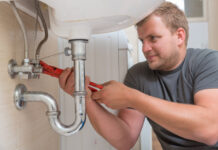
- Adjustable wrench: for snugging supply lines and compression nuts.
- Plumber’s tape: seals threaded connections such as showerhead arms.
- Flashlight and bucket: for leak checks and catching water when you open a trap.
- Water pressure gauge: an inexpensive way to spot a hidden risk.
When to call a professional plumber
Routine maintenance prevents a lot, but some signs point to problems in the main line or inside walls that need a licensed plumber:
- Several drains are slow at once, or water backs up into a tub when you flush.
- Gurgling sounds or sewage smells from drains.
- A sudden, unexplained jump in your water bill.
- Damp patches on walls or ceilings, or a warm spot on the floor that may indicate a slab leak.
- No hot water, rusty water or a leaking water heater tank.
A local plumbing company such as Drain Right Services can carry out camera inspections, hydro jetting and repairs, and advise on a maintenance plan for your home. Plumbing is only one of the systems worth maintaining on a schedule; for heating and cooling, our guide on whether to repair or replace your AC applies the same preventive thinking.
Frequently Asked Questions
How often should I do plumbing maintenance?
Do quick leak checks and strainer cleaning monthly, drain refreshes every few months, and bigger jobs such as flushing the water heater and testing water pressure once a year. A short fall routine to protect pipes from freezing is also worthwhile in cold climates.
Are flushable wipes safe for plumbing?
It is best not to flush them. Wipes break down far more slowly than toilet paper and are a common cause of clogs in home pipes and municipal sewers.
How often should a water heater be flushed?
Most manufacturers recommend flushing a tank water heater about once a year, and more often if you have very hard water. Always follow your model’s manual.
Are chemical drain cleaners bad for pipes?
Frequent use can damage older pipes and seals, and the products are hazardous to handle. A plunger, drain snake or enzyme cleaner is usually a safer first step.
What water pressure is normal for a house?
Roughly 40 to 80 psi is typical, and many codes cap residential pressure at about 80 psi. Higher pressure stresses pipes and appliances and may need a pressure-reducing valve.
How do I know if I have a hidden water leak?
Turn off all water use and watch your meter for one to two hours. If the reading changes, or your water bill jumps without explanation, you likely have a leak and should have a plumber trace it.
Bottom line on plumbing maintenance
Most costly plumbing repairs start as small, cheap problems. Spend 15 minutes a month on leak checks and drain care, do the fall freeze prep and the yearly water heater flush, and know how to shut off your water. Those few habits cost almost nothing and protect your home from the repairs that cost the most.