
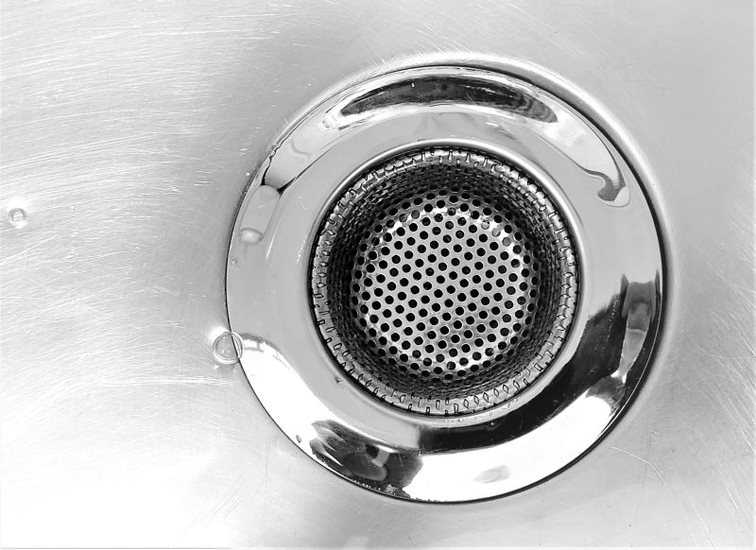
Drain cleaning matters for commercial properties because a single blocked line can shut down restrooms, a kitchen or a whole tenant floor, and the repair bill after a backup is almost always higher than the cost of routine maintenance. Scheduled cleaning prevents clogs, keeps the building hygienic, protects pipes, helps you stay on the right side of local grease rules and supports the value of the property.
Commercial drains work far harder than residential ones. More people use them, restaurants and cafeterias send grease down them, and a problem in a shared main can affect every business in the building. This guide explains why drain cleaning is important, what a sensible maintenance schedule looks like for different types of business, and how to choose a service provider.
Prevents clogs and costly downtime
The main reason to clean drains regularly is to stop blockages before they form. Over time, grease, food waste, soap scum, hair, paper products and mineral scale build up on pipe walls. The opening narrows gradually until one day it closes completely, often at the busiest time of the week.
For a business, a clog is not just a plumbing issue. It can mean closing restrooms, turning customers away, discarding food, paying staff who cannot work, and in the worst case a sewage backup that requires cleanup and disinfection. By scheduling routine drain cleaning services, you can remove buildup while it is still a minor maintenance job rather than an emergency call-out.
Early warning signs to watch for
- Sinks, floor drains or toilets draining more slowly than usual
- Gurgling sounds from drains or toilets when other fixtures are used
- Sewer or rotten-egg odors near drains, cleanouts or floor grates
- Water backing up in floor drains, especially in basements or kitchens
- Fruit flies or drain flies that keep coming back
- Several fixtures slowing down at once, which usually points to a problem in the main line rather than a single drain
Maintains hygiene and health standards
Cleanliness is essential in any commercial setting. Dirty drains give off foul odors and provide a breeding ground for bacteria, mold and drain flies. In restaurants, food processing sites, medical offices, gyms and schools, that is more than an unpleasant smell: it can become an issue during a health inspection and can undermine the trust of customers and staff.
Slow floor drains also leave standing water, which is a slip hazard and can lead to moisture damage in walls and flooring. Persistent dampness around drains is one of the common causes of indoor mold; if you have noticed musty smells, it is worth reading about why mold inspections matter alongside your drain maintenance.
Helps you meet grease and wastewater rules
Many U.S. cities and sanitary districts run fats, oils and grease (FOG) programs because grease from commercial kitchens is a leading cause of sewer blockages and overflows. Requirements vary by municipality, but they commonly include:
- Installing a properly sized grease trap or grease interceptor in food service establishments
- Pumping or cleaning it on a set schedule, or before grease and solids reach a set share of its capacity (a 25% threshold is often used)
- Keeping maintenance logs and hauler receipts for inspectors
- Never pouring grease down sinks or using enzymes or chemicals to push grease further down the line
If a business is found to have caused a sewer blockage, local authorities may pass on cleanup costs or issue fines. Check with your village, city or sanitary district for the exact rules that apply to your property, and ask your plumber to clean the lines downstream of the trap as well, since grease that escapes the trap will still harden in the pipes.
Extends the lifespan of your plumbing system
Neglected drains put extra strain on the whole system. Repeated blockages increase pressure behind the clog, older cast iron can corrode faster when waste sits in it, and harsh chemical drain openers can damage pipes and seals over time. Tree roots can also find their way into small cracks in underground sewer laterals, then grow into a full obstruction.
Regular professional cleaning, especially when combined with a camera inspection, lets you spot cracks, sagging sections, root intrusion and corrosion early. Fixing a small section of pipe on your schedule is far less disruptive than excavating a collapsed line in an emergency. Many of the same habits that protect a home also apply to commercial buildings; see these plumbing maintenance tips to prevent costly repairs.
Improves water flow and daily operations
Slow or backed-up drains cause delays and create an unpleasant environment for employees and customers. Pooling water, lingering odors and out-of-order restrooms all hurt the customer experience and staff morale. Clean lines drain quickly and quietly, so kitchens keep turning tables, washrooms stay open and maintenance teams are not constantly reacting to problems.
Common commercial drain cleaning methods
Professionals choose a method based on the type of blockage, the pipe material and its condition. Costs vary widely by region, access, time of day and pipe length, so the ranges below are rough guides only; always get a written quote.
| Method | Best for | Limitations | Typical cost range (U.S.) |
|---|---|---|---|
| Mechanical snaking (cabling) | Clearing a single blockage quickly | Opens a path but leaves grease and scale on pipe walls | Roughly $150 to $500 per line |
| Hydro jetting | Grease, scale, sludge and light roots; restoring full pipe diameter | May not suit very old or damaged pipes; inspect first | Roughly $350 to $1,000 or more |
| Video camera inspection | Finding the cause, checking pipe condition, verifying cleaning | Diagnoses rather than clears | Roughly $200 to $600 |
| Grease trap or interceptor pumping | Food service FOG compliance | Does not clean lines beyond the trap | Depends heavily on size and frequency |
Emergency, overnight and weekend call-outs usually cost more, which is one more reason to plan maintenance during quieter hours.
How often should commercial drains be cleaned?
There is no single rule, because usage and waste type vary so much. The following are common starting points; your plumber can adjust them after an inspection and after seeing how quickly buildup returns.
- Restaurants and commercial kitchens: kitchen lines often every one to three months, with grease trap service as required by the local FOG program.
- Hotels, apartment complexes and healthcare facilities: main lines every three to six months, plus attention to high-use floors.
- Offices and retail: often once or twice a year, with extra checks on restrooms and break-room sinks.
- Older buildings or properties with trees near the sewer lateral: an annual camera inspection to watch for roots and pipe damage.
Protects property value and tenant relationships
A well-maintained commercial property makes a positive impression and holds its value better. Documented drain maintenance, camera inspection reports and grease trap logs show buyers, lenders and insurers that the building has been cared for, and they reduce the chance of an unpleasant surprise during due diligence. For landlords, fewer plumbing emergencies mean fewer disrupted tenants, fewer disputes about responsibility and better renewal rates.
Simple habits that keep drains clear between visits
- Scrape plates and pans into the trash before washing, and collect used cooking oil for recycling.
- Fit strainers on sinks and floor drains, and empty them daily.
- Post signs in restrooms asking people not to flush wipes, paper towels or sanitary products.
- Pour water down rarely used floor drains regularly so the trap seal does not dry out and let sewer gas in.
- Avoid harsh chemical drain openers, which can damage pipes and are a hazard for staff.
- Report slow drains early instead of waiting for a full blockage.
Choosing a commercial drain cleaning provider
Look for a company with commercial experience, since commercial systems are larger and busier than household plumbing. Useful questions to ask include:
- Are your plumbers licensed for this state, and do you carry liability insurance?
- Do you offer camera inspections and share the footage or report?
- Can you work after hours to avoid disrupting our business?
- Do you offer a preventive maintenance plan, and what does it include?
- Are you available for emergencies, and what are your call-out rates?
A local provider who knows the area’s older sewer lines, soil conditions and municipal rules can also save time when something does go wrong.
Frequently asked questions
Why is drain cleaning important for commercial properties?
It prevents blockages and backups that can shut down a business, keeps the building hygienic, extends the life of the plumbing, helps meet local grease rules and protects property value.
How often should a restaurant have its drains cleaned?
Kitchen lines are often cleaned every one to three months, with grease trap service on the schedule your local FOG program requires. Busy kitchens may need more frequent service.
Is hydro jetting better than snaking?
Snaking quickly opens a blockage, while hydro jetting scours grease and scale from the pipe walls, so buildup returns more slowly. A camera inspection first helps confirm the pipes can handle jetting.
How much does commercial drain cleaning cost?
Costs vary by location, access and method. As a rough guide, snaking a line may cost a few hundred dollars, while hydro jetting or larger jobs can reach $1,000 or more. Get a written quote.
Are chemical drain cleaners safe for commercial pipes?
Harsh chemical openers can damage pipes and seals and are a safety risk for staff. They rarely remove grease fully, so professional mechanical cleaning is usually the better option.