Can mold be stopped? Mold spores themselves cannot be eliminated, because they are a natural part of indoor and outdoor air, but mold growth in your home can be stopped. Mold needs moisture, so keeping humidity below 60 percent, fixing leaks quickly and drying wet materials within 24 to 48 hours leaves spores with nothing to grow on.
A professional mold inspection fills in what you cannot see, confirming whether growth has already started inside walls, under flooring or in HVAC ducts, and pinpointing the moisture source behind it. This guide covers how mold grows, the prevention steps that work, how an inspection is carried out and how to decide when to book one.
What is mold and how does it grow?
Mold is a type of fungus. It reproduces by releasing microscopic spores that drift through the air, enter through doors, windows and ventilation, and settle on surfaces. A spore stays dormant until it lands somewhere with three things: moisture, a food source and a suitable temperature.
Most homes supply two of those all the time. Drywall paper, wood, carpet backing, ceiling tiles, dust and even soap scum are all food, and normal indoor temperatures suit most common species. That leaves moisture as the one factor you can realistically control.
Once a spore has moisture, growth can appear quickly. The US Environmental Protection Agency advises drying water-damaged materials within 24 to 48 hours to prevent mold. After that window, the job usually shifts from drying to mold removal.
Where mold most often grows
| Area | Typical cause | What to check |
|---|---|---|
| Bathrooms | Shower steam, weak or missing exhaust fans, leaking toilet seals | Grout, caulk, ceiling corners, behind the toilet |
| Kitchens | Slow drips on supply lines, dishwasher and fridge leaks | Under the sink, behind appliances |
| Basements and crawl spaces | Ground moisture, poor drainage, limited airflow | Walls near the floor, joists, stored boxes |
| Attics and roofs | Small roof leaks, fans venting into the attic, condensation | Roof sheathing, around vents and chimneys |
| HVAC systems | Condensate pans, clogged drain lines, humid air meeting cool ducts | Drain pan, air handler, supply registers |
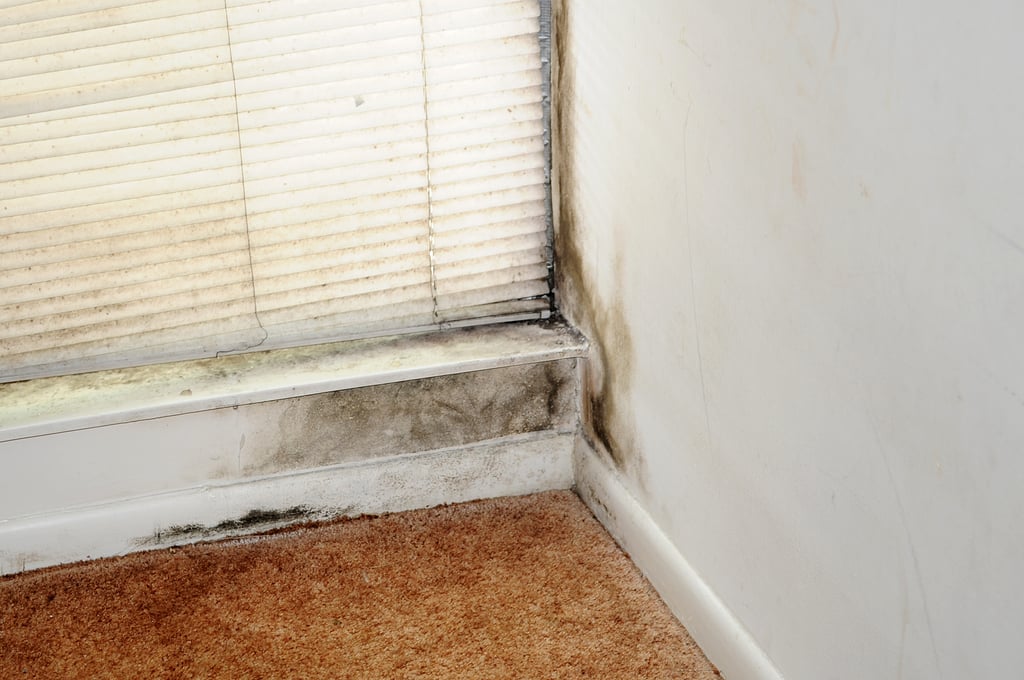
| Windows and exterior walls | Condensation on cold glass, gaps in flashing or caulk | Sills, frames, wall corners behind furniture |
Can mold be completely stopped?
It is nearly impossible to remove every one of the mold spores in a home, because they arrive every day on air, clothing and pets. The realistic goal is to stop spores from turning into colonies. That means treating mold as a moisture problem first.
Killing visible mold without fixing the water source almost always means it comes back, often in the same spot within weeks. Spraying a cleaner on a stained ceiling while the roof still leaks, for example, only resets the clock.
Practical steps to prevent mold growth
1. Keep indoor humidity in check
The EPA recommends keeping indoor relative humidity below 60 percent, ideally between about 30 and 50 percent. A basic digital hygrometer is inexpensive and tells you where you stand, so place one in the basement and one in the main living area.
In humid climates such as Florida and the Gulf Coast, your air conditioner does much of the dehumidifying, so a properly sized, well-maintained system matters. An oversized unit that cools the house quickly and shuts off can leave the air cool but damp. Standalone dehumidifiers help in basements, closets and rooms that stay muggy. If your system struggles, our guide on whether to repair or replace your AC can help you weigh the options.
2. Fix leaks the moment you find them
Water damage from plumbing, roofs or windows is one of the most common triggers for serious mold. Check under sinks, around water heaters and behind appliances every few months, and look for ceiling stains after heavy rain. A small drip inside a vanity can soak particleboard for months before anyone notices. Simple routines like the ones in our plumbing maintenance tips catch many of these problems early.
3. Improve ventilation
Run bathroom exhaust fans during showers and for 20 to 30 minutes afterward, and make sure they vent outdoors rather than into the attic. Use the range hood when cooking, vent clothes dryers outside, and avoid pushing furniture flat against exterior walls where air cannot circulate. Change HVAC filters on schedule and keep the condensate drain line clear.
4. Clean and dry high-moisture areas routinely
Wipe down shower walls, wash bath mats and towels regularly, and clean areas prone to dampness often, including spots you rarely look at, such as behind appliances, under sinks and inside cabinets. When renovating a bathroom or basement, mold-resistant drywall and paint are worth considering.
5. Act fast after a flood or major leak
Remove standing water, pull up wet rugs, open cabinets and run fans and dehumidifiers right away. Porous materials that stayed wet for more than two days, such as carpet pad, ceiling tiles and insulation, often need to be removed rather than dried. After a larger event, an inspection helps confirm that moisture is not trapped inside wall cavities.
Monthly mold prevention checklist
- Read your hygrometers and adjust the AC or dehumidifier if humidity is above 50 to 60 percent.
- Look under every sink and around toilets for drips or soft wood.
- Check window sills for condensation and wipe them dry.
- Confirm bathroom fans are pulling air (a tissue held to the grille should stick).
- Inspect the HVAC condensate line and pan for standing water.
- Sniff test: a musty smell in a closet or basement is worth investigating.
The role of mold inspection in stopping mold
Prevention handles the moisture you can see. A professional Mold Inspection deals with what you cannot. Mold often grows behind drywall, under flooring and inside ductwork, out of sight during regular cleaning. A good inspector looks for the moisture source as well as the mold itself, and finding that source is what actually stops recurrence.
What happens during an inspection
- Interview and history: past leaks, floods, odors and any symptoms occupants have noticed.
- Visual inspection: living areas, attic, crawl space, HVAC components, windows, plumbing fixtures and exterior drainage.
- Moisture readings: moisture meters and often thermal imaging to find damp areas behind surfaces.
- Sampling where useful: air samples compared with an outdoor baseline, or surface swab and tape samples sent to a lab.
- Written report: findings, likely moisture sources and a recommended remediation scope if needed.
An inspection also sizes the problem. The EPA suggests homeowners can often handle a small, isolated patch of mold, roughly 10 square feet or less, themselves, as long as the moisture source is fixed and basic protection is worn. Larger areas, contamination in HVAC systems and mold after sewage or contaminated water generally call for professionals.
Why it matters for health
Mold exposure can trigger allergy symptoms such as sneezing, a runny nose and itchy eyes, and it can worsen asthma. People with allergies, asthma, chronic lung disease or weakened immune systems tend to be the most sensitive. Species such as Stachybotrys chartarum, often called black mold, get a lot of attention, but health agencies advise treating all indoor mold growth the same way: find the moisture, remove the mold and fix the cause. If anyone in your home has persistent symptoms, speak with a doctor as well as dealing with the building.
Mold inspection versus mold testing
The two terms are often used interchangeably, but they are not the same thing. An inspection is the full assessment: the walk-through, moisture mapping, history and report. Testing refers only to collecting samples for a laboratory. Testing on its own can tell you that spores are present, which they almost always are, without explaining why or where growth is happening.
For most homeowners, the inspection is the valuable part, because it ties any growth to a specific moisture source and a clear plan. Sampling earns its place when results need to be documented, such as for a home sale, a landlord dispute or post-remediation clearance, or when a smell suggests hidden growth that cannot be seen.
When to schedule a mold inspection
Scheduling a Mold Inspection makes sense in these situations:
- You can see mold but do not know how far it extends.
- There is a persistent musty odor you cannot trace.
- You have had a leak, flood, storm damage or roof problem, even if everything now looks dry.
- Family members have unexplained allergy-like or breathing symptoms that ease when away from home.
- You are buying or selling a home, especially an older one or one that has sat empty.
- Remediation has been completed and you want clearance testing to confirm it worked.
DIY or professional? A quick guide
| Situation | Usually DIY? | Consider a professional? |
|---|---|---|
| Small spot on shower caulk or a window sill | Yes, clean and dry the area | Only if it keeps returning |
| Musty smell, no visible mold | Check for leaks first | Yes, to locate hidden growth |
| Growth larger than about 10 sq ft | No | Yes |
| Mold in HVAC ducts or after flooding | No | Yes |
| Home purchase or sale | No | Yes, for a documented assessment |
How to choose an inspector
Check credentials and independence. Florida, for example, requires mold assessors and mold remediators to hold a state license, and several other states regulate the trade too. Before hiring, ask:
- Are you licensed or certified for mold assessment where I live?
- Do you also perform remediation? Many homeowners prefer an inspector who does not, so the scope is not influenced by the job that follows.
- What sampling do you recommend, and why is it needed in my case?
- Will the report identify the moisture source and give a written remediation scope?
Mistakes that let mold come back
- Painting over mold instead of removing it and fixing the moisture.
- Relying on bleach for porous materials like drywall or wood.
- Drying a flooded room with fans alone while humidity stays high.
- Skipping clearance checks after remediation in a large or HVAC-related job.
Frequently Asked Questions
Does bleach kill mold permanently?
No. Bleach can remove surface mold on hard, non-porous surfaces, but it does not fix the moisture that caused it and does not penetrate porous materials well. Mold will return if the area stays damp.
What humidity level prevents mold?
The EPA recommends keeping indoor relative humidity below 60 percent, ideally between about 30 and 50 percent. A cheap hygrometer lets you track it room by room.
How quickly can mold grow after a leak?
Mold can begin to develop on wet materials within 24 to 48 hours. That is why fast drying after a leak or flood matters so much.
Do I need mold testing if I can already see mold?
You may not need lab testing to confirm mold is present, but an inspection helps show how far it has spread, locate the moisture source and plan remediation properly.
Can I remove mold myself?
Small, isolated patches of roughly 10 square feet or less can often be cleaned by homeowners wearing gloves, eye protection and a mask, once the moisture source is fixed. Larger areas, HVAC contamination or mold after flooding are better handled by professionals.
Is a mold inspection worth it when buying a home?
It can be, especially for older homes, homes that have been vacant, or properties with signs of past leaks. A documented assessment helps you understand repair needs before you commit.
The bottom line on stopping mold
You cannot remove every spore from the air, but you can stop mold from growing by keeping humidity low, fixing leaks promptly, ventilating properly and drying water damage fast. A professional mold inspection closes the gap by finding hidden growth and the moisture behind it, before it damages your home or affects your family’s comfort.
This article is general information, not medical or professional advice. Consult a qualified professional about your specific situation.