A car accident can change your life in an instant. During shock, confusion, and potential injury, knowing exactly what to do in the moments after a crash can be vital for protecting your health, legal rights, and future. Whether you’ve experienced a minor fender bender or a major collision, having a clear plan of action can make all the difference — especially in a state like Virginia, where liability laws are particularly strict. You may also want to read What Is Larceny.
To help guide you, Attorneys Charles James Williams III and Kimberly Raab of Burnett & Williams, one of Virginia’s leading personal injury law firms, have developed a practical Crash Response Checklist. With offices across the state and a long-standing reputation for advocating accident victims, the team at Burnett & Williams ensures every client is well-informed and supported from the moment of impact to the final resolution of their case.
Meeting the Attorneys: Charles James Williams III & Kimberly Raab
Attorney Charles James Williams III is a seasoned personal injury lawyer with a passion for justice and over a decade of experience representing victims of car accidents across Virginia. Known for his detail-oriented approach and steadfast loyalty to his clients, he fights tirelessly to ensure that accident victims are compensated and treated with dignity throughout the legal process.
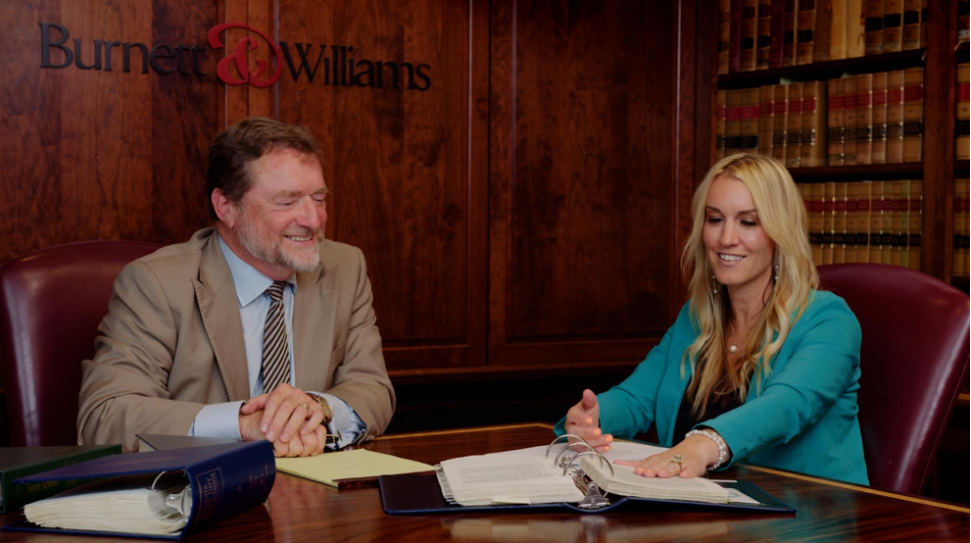
James Williams III & Kimberly Raab
Attorney Kimberly Raab brings sharp legal insight and compassionate representation to every case she handles. She focuses on understanding the unique circumstances of each client, guiding them through complex legal matters with clarity and care. Her dedication to transparency, client education, and result-driven advocacy has made her a trusted name in Virginia personal injury law.
Together, Charles and Kimberly offer a balanced, results-focused approach to car accident litigation, making them powerful advocates for anyone injured in a Virginia collision.

Car Accidents
Step 1: Stay Calm and Check for Injuries
Remain calm and take a deep breath. Your priority is safety. Check yourself and others for injuries. If someone is hurt or unresponsive, call 911 immediately. Avoid moving anyone unless there is a fire or immediate danger.
Even in what seems like a minor accident, injuries such as whiplash, internal bruising, or concussions may not be visible right away. Always exercise caution.
Step 2: Call 911 and Report the Accident
Virginia law requires reporting accidents that result in injury, death, or property damage. Call 911 to get emergency medical services if needed and to ensure a police officer documents the scene. An official report strengthens your legal and insurance claims.
Step 3: Exchange Insurance and Contact Information — Not Money
Collect the following from all parties involved:
Names and contact numbers
Driver’s license numbers
License plate numbers
Insurance company and policy numbers
Vehicle registration details
Do not exchange money or admit guilt at the scene — even if you think you may have been at fault. Fault is determined by investigation, not opinion.
Step 4: Document the Scene with Photos
Use your smartphone to take clear photos of:
Vehicle damage (close-up and wide shots)
License plates
Traffic signs and road conditions
Skid marks and debris
Visible injuries
These images will be vital for insurance and legal claims. Don’t rely solely on memory — visual evidence is powerful.
Step 5: Speak with Witnesses
If any bystanders witnessed the crash, ask for their contact information. Their statements may help establish faults and support your case. Be sure to thank them for their time and assistance.
Step 6: Get Medical Attention Right Away
Some injuries develop gradually. Even if you feel fine, it’s critical to visit a doctor as soon as possible. Your medical records will serve as a timeline linking your injuries to the accident, which is vital for your legal claim.
Step 7: Avoid Admitting Fault or Speculating
Do not apologize or speculate about what happened. Avoid saying phrases like “I didn’t see you” or “I should have stopped.” Anything you say could be used against you later.
Simply stick to the facts when talking to law enforcement or others involved.
Step 8: Do Not Speak to the Other Party’s Insurance Company
After a crash, the other driver’s insurance company may contact you to get a statement or offer a settlement. Politely decline to speak and refer them to your attorney. These companies aim to minimize payouts and may manipulate your statements.
Step 9: Don’t Accept Quick Cash Settlements
The other driver may offer cash on the spot. Or their insurer may push a lowball settlement. Such offers are rarely fair and can prevent you from seeking future compensation. Accepting a payout may prevent you from filing additional claims.
Step 10: Contact a Personal Injury Attorney Before Signing Anything
Having legal representation is crucial, especially in a state like Virginia, which follows contributory negligence laws — meaning if you’re even 1% at fault, you may be ineligible to recover damages.
The attorneys at Burnett & Williams can:
Evaluate your case for free
Handle all negotiations
Collect evidence and medical documentation
Fight for full compensation — including medical bills, lost wages, and pain and suffering
Step 11: Keep Thorough Records
Save and organize all documents related to your accident:
Police report
Photos
Medical bills
Car repair invoices
Witness information
Insurance correspondence
These materials help your attorney build the strongest possible case.
Step 12: Know Your Rights Under Virginia Law
Virginia’s pure contributory negligence rule is strict. If you’re found even slightly at fault, you may not receive compensation. That’s why working with experienced personal injury attorneys like Williams and Raab is essential — they can help you present a clear, evidence-backed case.
Local Help When You Need It Most
When the unthinkable happens on the road, having the right legal team in your corner gives you the confidence to move forward. At Burnett & Williams, we believe that every accident victim deserves attentive, experienced representation.
Call Today: 804-794-0080
Visit: www.burnettwilliams.com
Address: Offices in Richmond, Chesterfield & Multiple Locations Across Virginia
Don’t leave your future to chance. If you or a loved one has been injured in a crash, contact Attorneys Charles James Williams III and Kimberly Raab for trusted guidance and unwavering support.
(FAQs)
Q1: What if the other driver doesn’t have insurance?
A: You may still be covered under your uninsured/underinsured motorist (UM/UIM) insurance. Burnett & Williams can help you file a UM claim.
Q2: How long do I have to file a personal injury claim in Virginia?
A: The statute of limitations in Virginia is two years from the date of the accident.
Q3: Can I file a claim even if I didn’t go to the hospital right away?
A: Yes. But delaying care can complicate your claim. Always seek medical attention promptly and follow your doctor’s advice.
Q4: How much does it cost to hire Burnett & Williams?
A: We offer free consultations and work on a contingency basis — you don’t pay unless we win your case.
Q5: Should I talk to the other driver’s insurance company myself?
A: No. Always let your attorney handle communications to avoid jeopardizing your case.